Metta App
Grow Love & Kindness


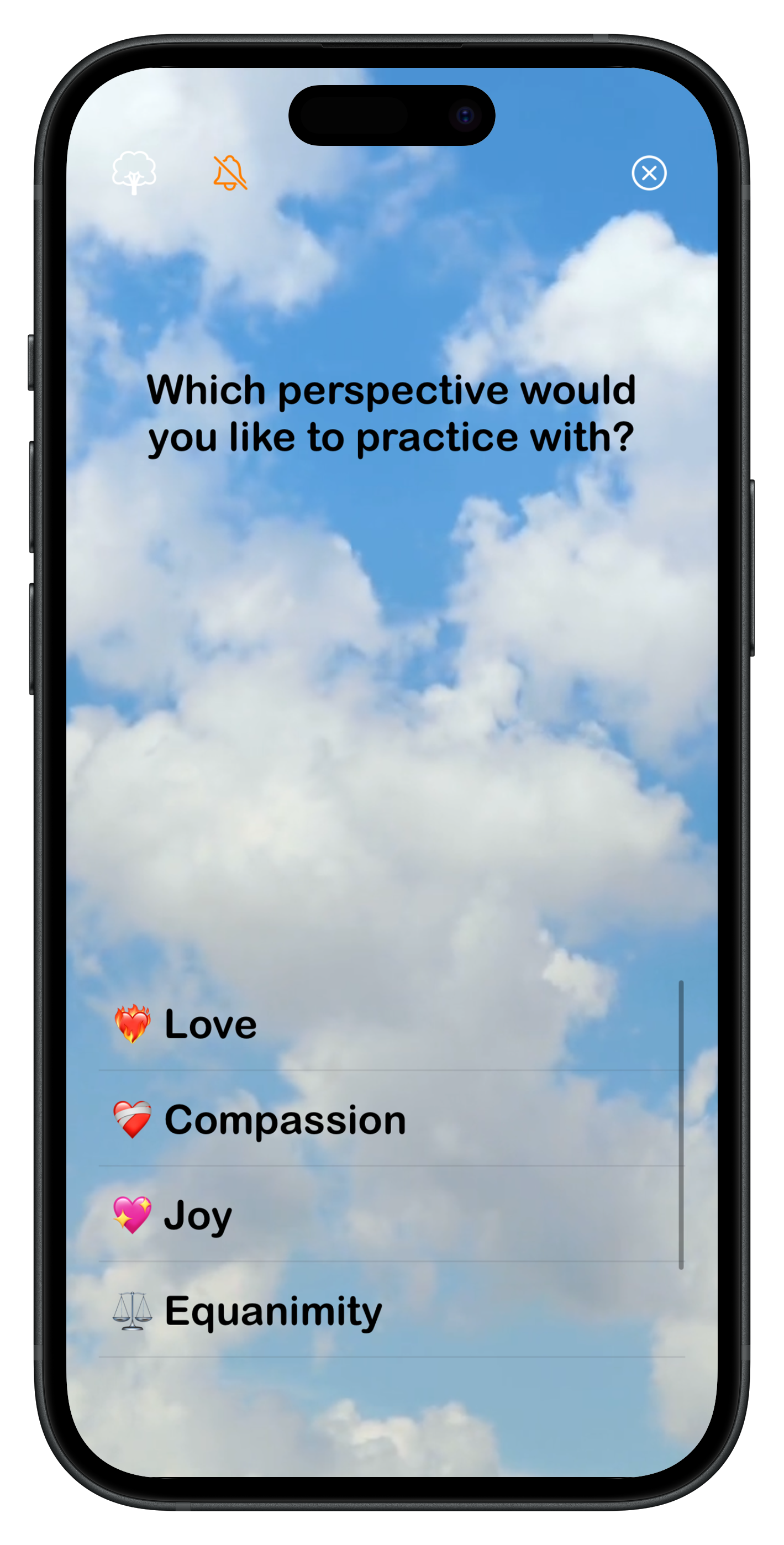
Loving-kindness
Wishing happiness for yourself and others; warmth, friendliness and care without strings attached.
More ↓Less ↑
Loving-kindness practice, also known as metta meditation, is a simple way to cultivate goodwill, warmth, and friendliness toward yourself and others. It often begins by settling the body and breath, then silently repeating phrases of care such as: “May I be safe. May I be healthy. May I be peaceful. May I live with ease.”
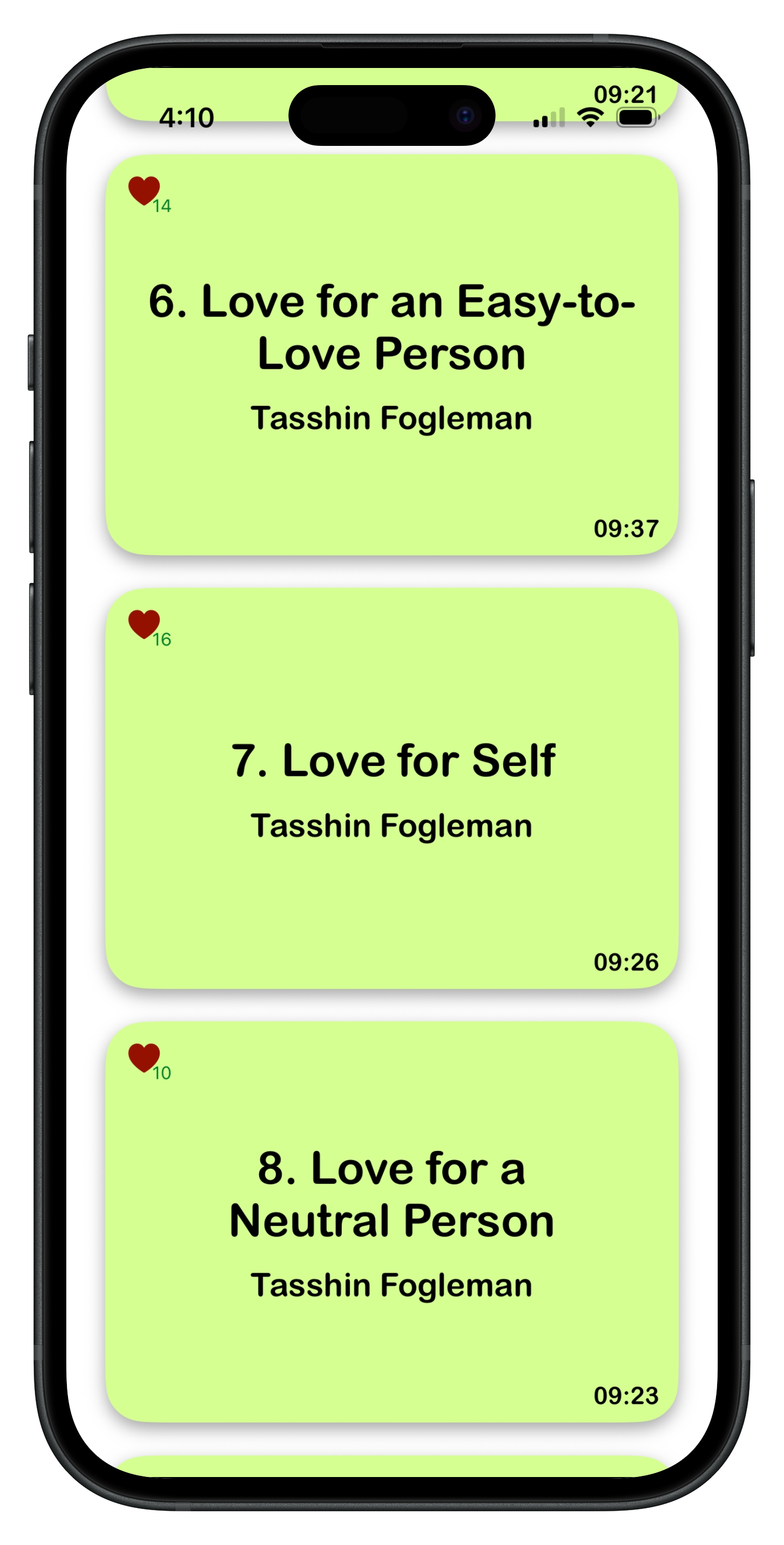
The practice often moves through widening circles. First, you offer kindness to yourself. Then you bring to mind someone easy to love, such as a friend, teacher, child, or pet, and offer the same wishes to them. Next, you include a neutral person, someone you do not strongly like or dislike. Then you may include a difficult person, not to excuse harm, but to release hatred and remember their humanity. Finally, you extend goodwill to all beings everywhere.
Lovingkindness is not about forcing pleasant feelings. Sometimes the words feel natural; sometimes they feel dry or even uncomfortable. The point is steady intention. You are training the mind to incline toward care rather than judgment, resentment, or fear.
It helps to use simple phrases that feel sincere. Even a few minutes a day can be worthwhile practice. Over time, loving-kindness can soften inner harshness, increase patience, and make kindness more available in ordinary interactions. It is both a meditation and a way of relating to life.
Compassion
Caring about suffering and wanting it to ease.
More ↓Less ↑
Compassion, or karuna, is the practice of meeting suffering with care, whether the suffering is your own or someone else’s. Through this practice, the mind learns to stay open in the presence of pain, rather than turning away, blaming, or becoming overwhelmed.
You might begin by settling the body and breath, then bringing to mind a place where you are struggling. It could be stress, grief, loneliness, fear, shame, or physical discomfort. As you notice what is present, you might silently repeat phrases such as: “May this pain ease. May I be free from suffering. May I know peace.”
The practice can also be offered to others. You may bring to mind someone who is suffering and offer the same wish for relief. You might repeat: “May your pain ease. May you be free from suffering. May you know peace.” This does not mean taking on their pain or trying to fix what is not yours to fix. It means allowing care to be present without turning away.
Compassion practice does not mean pity, self-sacrifice, or approving of harm. It means recognizing suffering and wishing for its relief. Sometimes compassion feels warm and tender; sometimes it feels quiet, awkward, or difficult. With time, compassion practice may steady the heart in difficult moments, deepen connection, and make it easier to respond to pain with care rather than avoidance, blame, or overwhelm.
Joy
Celebrating happiness and success — your own and others'.
More ↓Less ↑
Joy, or mudita, is the practice of rejoicing in happiness and goodness, whether in your own life or in someone else’s. Through this practice, the mind learns to recognize happiness, beauty, success, kindness, and moments of ease, instead of only focusing on what is missing, wrong, or painful.
You might begin by settling the body and breath, then bringing to mind something good in your own life. It can be something simple: a kind message, a moment of rest, progress you made, a meal you enjoyed, or a memory that brings warmth. As you hold this in awareness, you might silently repeat phrases such as: “May I appreciate this happiness. May I delight in what is good.”
The practice can also be offered to others. You may bring to mind someone who is experiencing happiness, success, love, healing, or good fortune, and gently celebrate it with them. You might repeat: “May your happiness continue. May your good fortune grow.” This can be especially powerful when the mind compares, competes, or feels envy.
Joy practice does not mean denying suffering or pretending everything is fine. It means making room for what is beautiful and life-giving, even when things are imperfect. Sometimes joy feels bright and easy; sometimes it is quiet and subtle. Joy practice can help soften jealousy, deepen gratitude, and make it easier to delight in goodness, whether it arises in your own life or in someone else’s.
Equanimity
Staying calm and balanced no matter what's happening; not getting swept away by highs or lows.
More ↓Less ↑
Equanimity, or upekkha, is the practice of meeting life with steadiness, balance, and clear seeing. Through this practice, the mind learns to remain present with change, pleasure and pain, praise and blame, success and failure, without clinging tightly to what feels good or pushing away what feels difficult.
You might begin by settling the body and breath, then noticing whatever is present in your experience. There may be ease, tension, emotion, thought, sound, or uncertainty. Instead of trying to control everything, you gently practice allowing things to be as they are for this moment. You might silently repeat phrases such as: “May I meet this moment with balance. May I be steady. May I accept what I cannot control.”
The practice can also be offered in relation to others. You may bring to mind someone you care about and recognize that, while you may love them deeply, you cannot live their life for them or control all that happens to them. You might repeat: “Your happiness and suffering depend on many causes and conditions. I care about you, and I cannot control your path. May I remain steady and loving.”
Equanimity does not mean indifference, coldness, or giving up. It means caring without being consumed, acting where you can, and accepting what is beyond your control. Sometimes equanimity feels spacious and peaceful; sometimes it feels like simply taking one breath before reacting. With time, equanimity practice may soften reactivity, reduce anxiety, and make it easier to meet life’s changes with wisdom, patience, and an open heart.
Self-Kindness
Guided by Jorge Sepulveda · 5 minutes

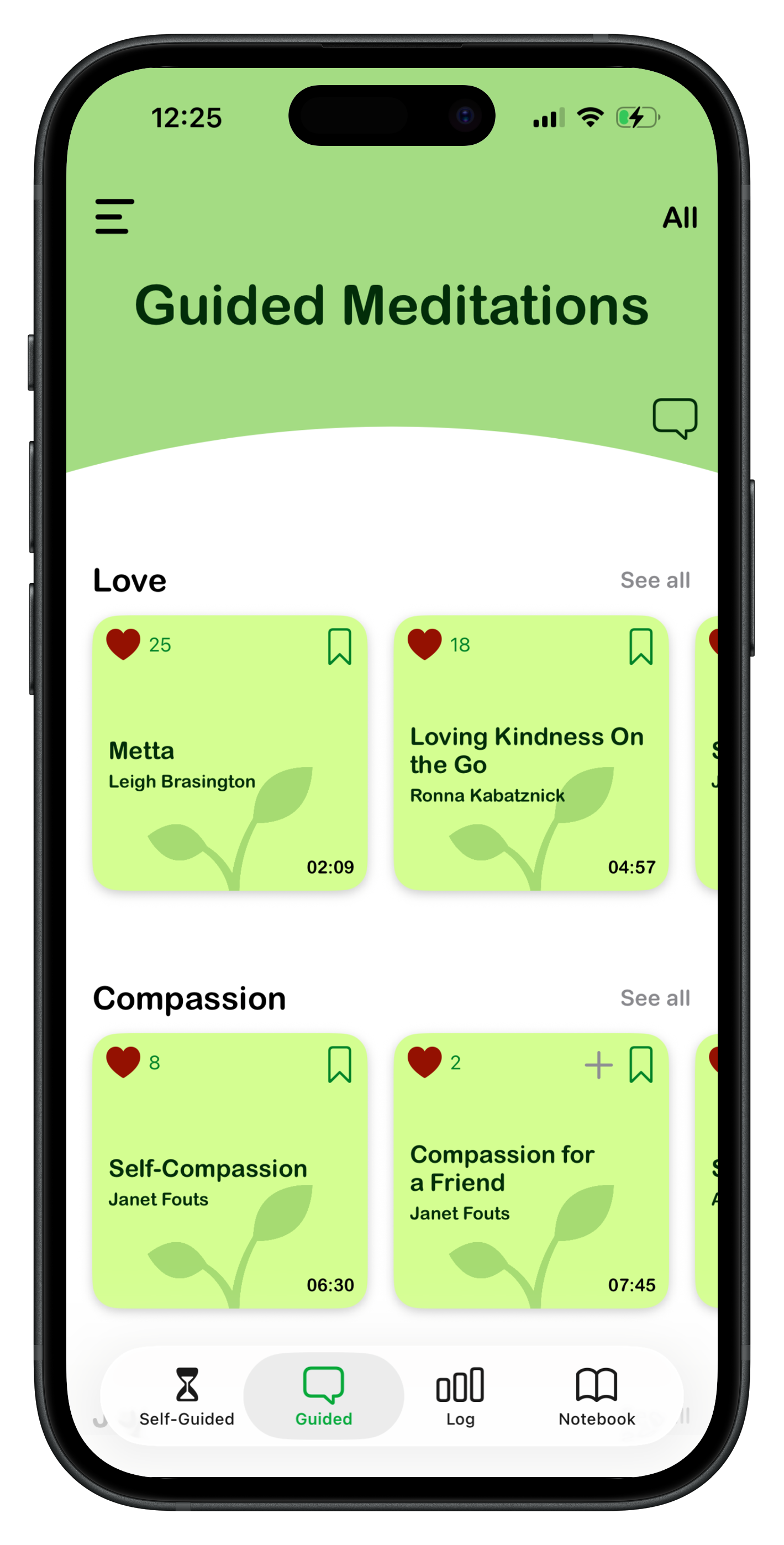
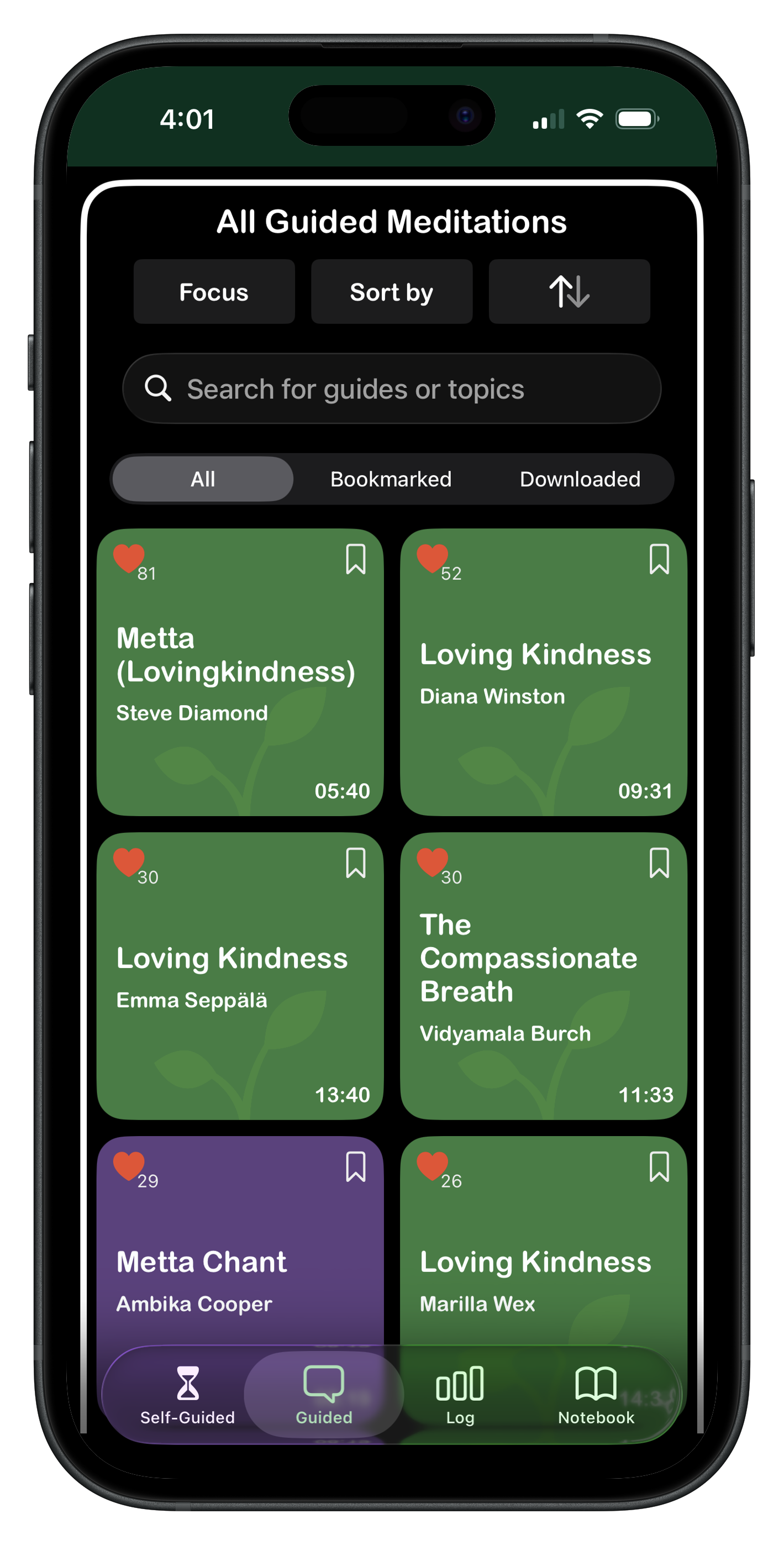
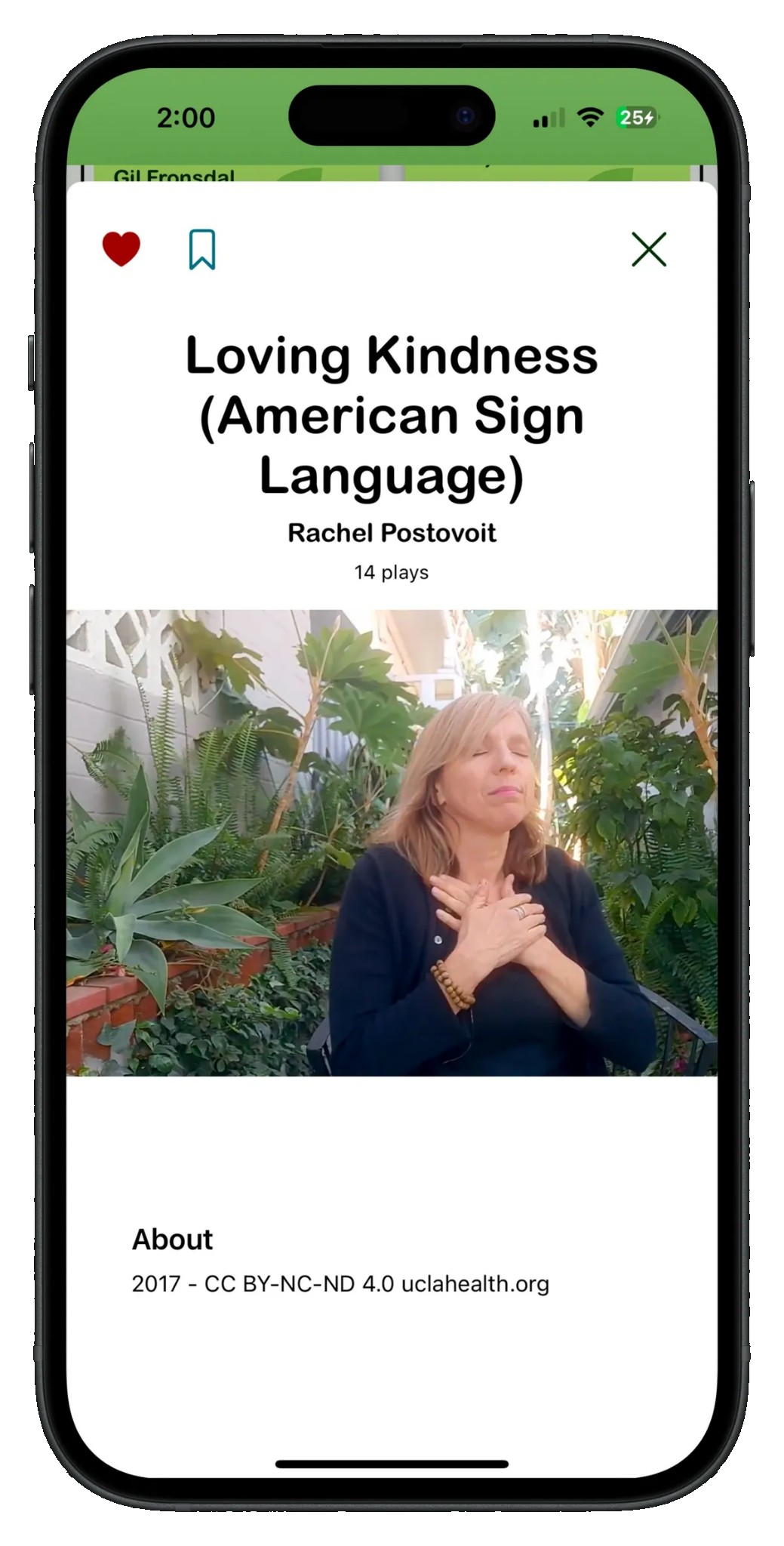
• Listen to hundreds of guided meditations on love, compassion, joy and equanimity
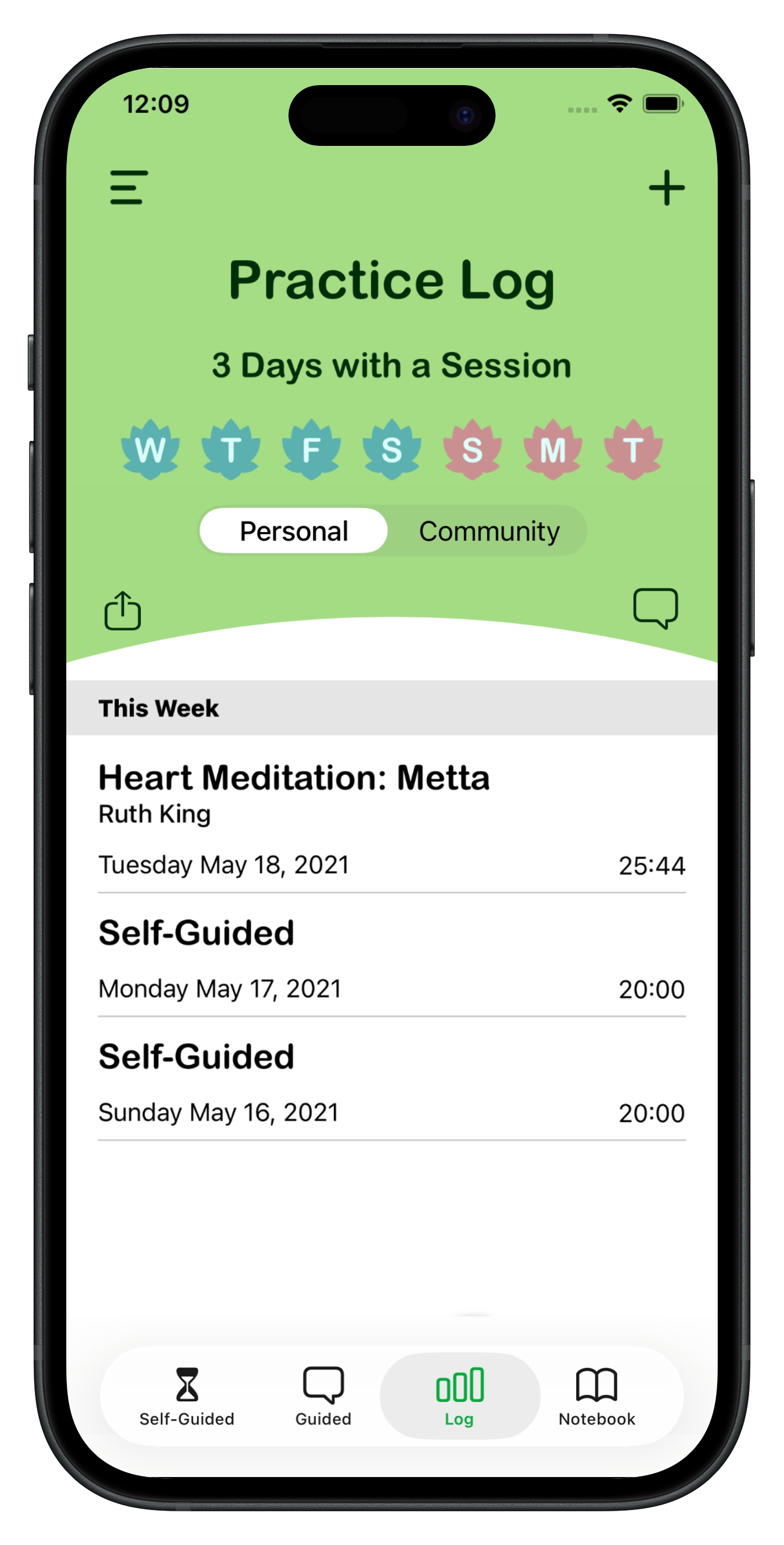
• Support your practice with the Timer, Reminders, Well-wishes, Assistant and more